
Patient Flow Optimization in Medical Office Building Design
Efficient patient flow is a critical component of modern healthcare facilities, and medical office building design plays a key role in achieving it. Optimizing patient flow ensures that patients move seamlessly from check-in to consultation and treatment, improving the overall experience while enhancing staff productivity. For healthcare providers, thoughtful design can reduce wait times, minimize stress, and create an environment that promotes both safety and satisfaction for patients.
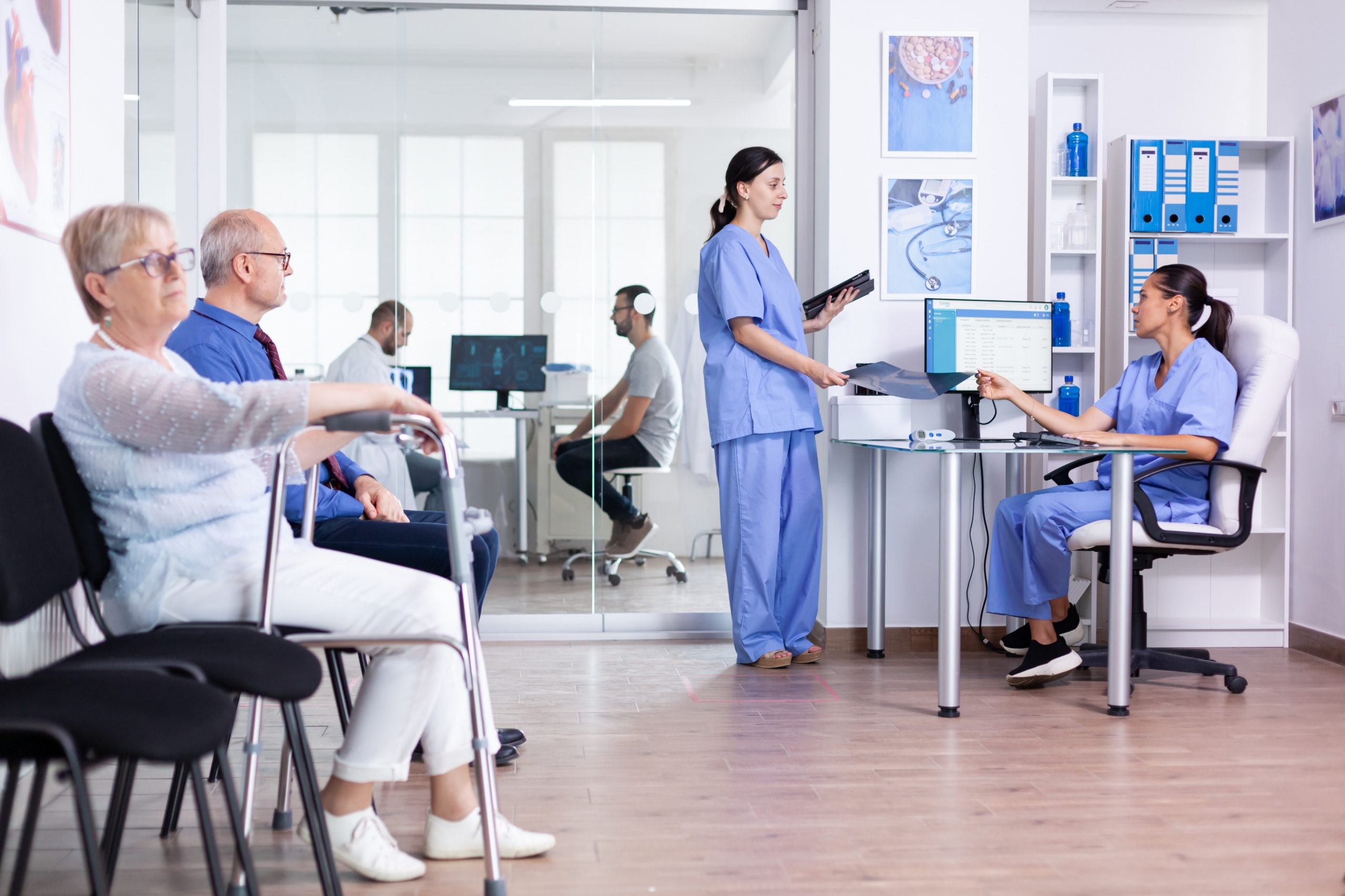
Patient flow optimization begins with a clear understanding of how patients interact with the facility. Medical office building design should consider the entire patient journey, from arrival to departure. This includes entry points, reception areas, hallways, waiting rooms, exam rooms, and ancillary service areas such as imaging or labs. By analyzing how patients move through each stage, architects and healthcare planners can identify bottlenecks and design spaces that facilitate smooth transitions.
Strategic Layout and Space Planning
A strategic layout is fundamental to patient flow optimization. Medical office building design should position high-traffic areas, such as check-in counters and waiting rooms, near entrances to minimize congestion. Exam rooms and treatment areas should be arranged logically to reduce the distance patients need to travel and ensure staff can provide timely care.
Open floor plans and clear sightlines are also essential. When patients and staff can easily see pathways and signage, navigation becomes intuitive, reducing confusion and delays. Thoughtful placement of restrooms, consultation rooms, and support areas further contributes to efficient patient movement. In addition, incorporating separate zones for administrative tasks, patient care, and staff workspaces can prevent disruptions and create a smoother flow throughout the facility.
Technology Integration and Workflow Efficiency
Modern medical office building design integrates technology to support patient flow. Digital check-in kiosks, electronic health records, and automated appointment scheduling systems reduce administrative bottlenecks and allow staff to focus on patient care. Telehealth consultation areas can be incorporated to handle certain visits remotely, freeing up physical space for in-person appointments and improving overall efficiency.
Technology also plays a role in real-time monitoring of patient movement. Tracking systems can alert staff to delays or congestion, enabling adjustments to scheduling and resource allocation. By combining thoughtful design with digital solutions, healthcare facilities can optimize patient flow while enhancing the quality of care.
Waiting Room Design and Patient Experience
Waiting areas are a crucial element in patient flow optimization. Medical office building design should consider comfort, accessibility, and functionality. Spacious seating, clear signage, and an organized layout contribute to a calming environment, reducing stress and frustration for patients. Separate areas for children or patients with special needs can further enhance the waiting experience while maintaining overall efficiency.
In addition, strategically placing waiting areas near exam rooms or treatment areas minimizes walking distances and helps maintain a steady flow. Efficient patient flow reduces overcrowding and ensures that patients are seen in a timely manner, improving satisfaction and supporting positive health outcomes.
Staff Workflow and Collaboration
Patient flow optimization is not only about the movement of patients but also about supporting staff efficiency. Medical office building design should facilitate collaboration and communication among healthcare providers, administrative personnel, and support staff. Centralized workstations, clear pathways, and proximity to key clinical areas enable staff to respond quickly to patient needs and coordinate care effectively.
By streamlining staff workflow, medical office building design reduces delays and errors, creating a more efficient and productive environment. Staff can focus on delivering high-quality care while patients benefit from shorter wait times and smoother transitions.
Incorporating flexibility into medical office building design is also important. Facilities should allow for adjustments in patient flow based on changing demands, seasonal fluctuations, or evolving healthcare practices. Modular spaces, movable partitions, and multipurpose rooms provide adaptability without compromising efficiency.
Optimizing patient flow through thoughtful medical office building design benefits both patients and healthcare providers. Efficient layouts, technology integration, well-designed waiting areas, and supportive staff workspaces all contribute to a seamless healthcare experience. Patients experience less stress, shorter wait times, and improved satisfaction, while staff can operate more effectively, delivering timely and high-quality care.
By prioritizing patient flow in medical office building design, healthcare facilities can enhance operational efficiency, improve patient outcomes, and create a welcoming, organized environment. Investing in strategic design ensures that every aspect of the patient journey is considered, from entry to exit, ultimately fostering a healthcare setting that meets the needs of both patients and providers.


More Stories
What Effect Do ADUs Have on Property Size?
ADUs, or auxiliary dwelling units, are tiny secondary homes that can be attached to or separate from the main house....
Installing an Accessory Dwelling Unit (ADU) Has Advantages in the Golden State of California
As a California resident, you may have considered constructing a second home on your property. ADUs, also known as "granny...

How Can an SEO Marketing Firm Help With eCommerce Revenue Growth?
SEO marketing companies offer one-of-a-kind and appealing content marketing strategies that are targeted to your industry. Imagine you've previously used...
Vintage Wedding Gowns: Timeless Dresses That Never Venture out Style
Brides that are looking a vintage wedding should consider vintage wedding gowns. Lots of vintage dresses are timeless, but nonetheless...