
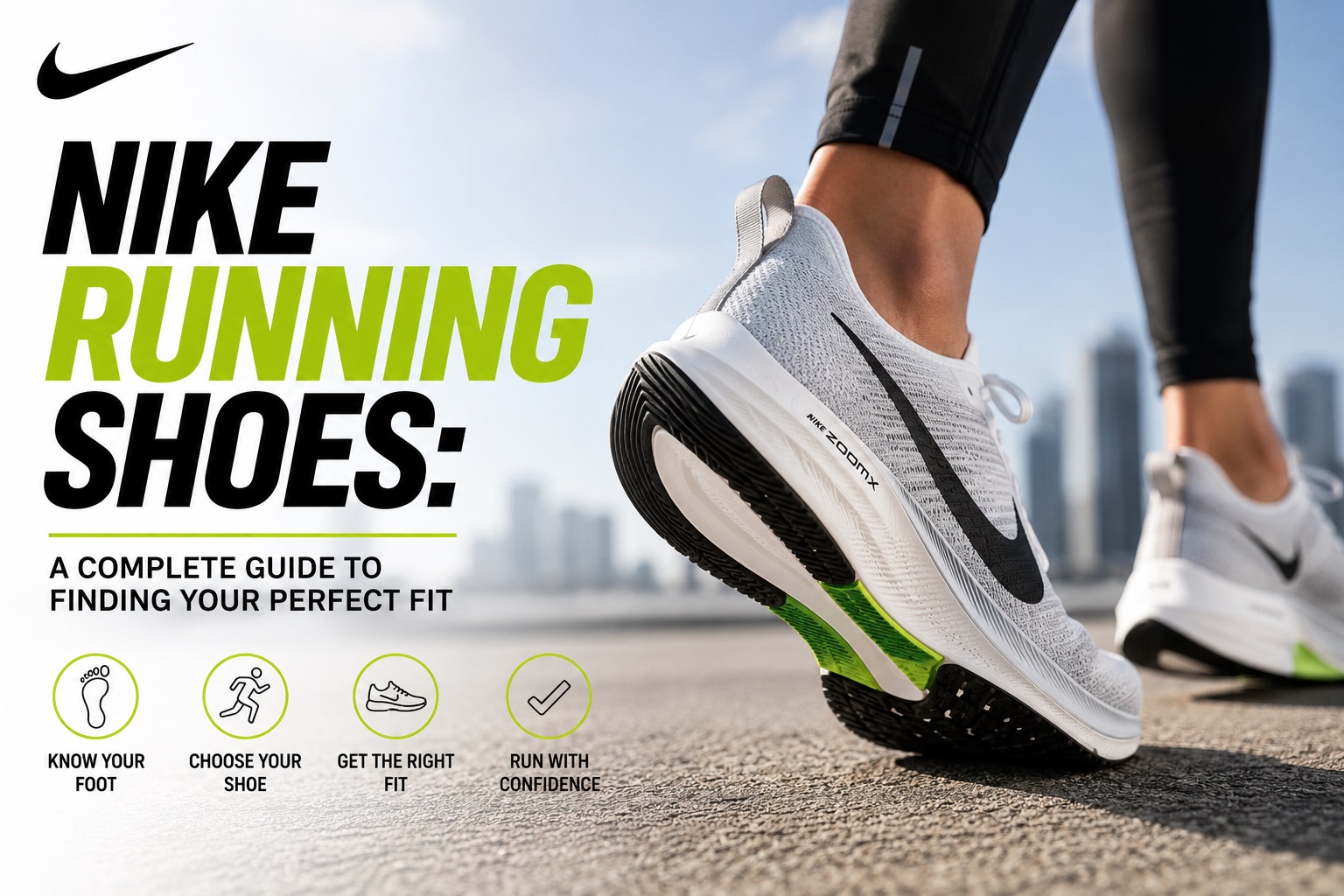
Choosing the right running shoes isn’t just about style—it’s about performance, comfort, and injury prevention. Nike has dominated the athletic footwear market for decades, but with hundreds of models available, finding the right pair can feel overwhelming. Whether you’re a seasoned marathoner or starting your first couch-to-5K program, understanding Nike’s shoe technology and fit options is essential to maximizing your running potential.
This guide breaks down everything you need to know about Nike running shoes, from cushioning systems to fit categories, so you can make an informed decision that matches your running style and goals.
Nike Running Shoe Technology: What Sets Them Apart
Nike invests heavily in innovation, creating proprietary technologies that influence how shoes perform. Here’s what you need to know:
Cushioning Systems:
- Zoom Air: Thin, responsive air units that provide bounce without excess weight. Ideal for speed work and racing.
- React: A balanced foam that offers cushioning and responsiveness, perfect for daily training runs.
- Cushlon: A versatile foam used across multiple shoe lines, combining durability with comfort.
These technologies serve different purposes. Zoom Air excels in competitive racing, while React foam suits long-distance training. Understanding your primary running goal helps determine which technology benefits you most.
Nike Shoe Categories for Different Runners
Stability Shoes for Overpronators
Nike Pegasus and Nike Structure series provide medial posts and structured support. These shoes are ideal if your feet roll inward excessively during landing. They prevent excess ankle movement, reducing strain on knees and shins.
Neutral Shoes for Efficient Runners
The Nike Vaporfly and Nike Revolution series offer lightweight designs without support structures. These suit runners with neutral gaits or naturally efficient foot strikes.
Trail Running Shoes
Nike Wildhorse and Nike Terra Kiger feature aggressive tread patterns and protective plating. Choose these if you’re tackling rocky terrain or uneven surfaces.
How to Find Your Perfect Nike Fit
Step-by-Step Selection Guide
- Assess Your Gait: Visit a specialty running store for a gait analysis. Staff can film your running motion to identify if you overpronate, underpronate, or have a neutral stride.
- Know Your Arch Type: High arches need cushioning; flat feet require stability. Nike offers options for both.
- Test Multiple Sizes: Running shoes fit differently than casual shoes. You’ll typically need a half-size to full-size larger. Go to the store at the end of the day when your feet are most swollen.
- Check the Heel-to-Toe Drop: This measures height difference between heel and forefoot. Higher drops (10mm+) suit traditional runners; lower drops (0-4mm) work for natural runners transitioning to minimal shoes.
Pro Tips for Buying Nike Running Shoes
- Buy Early: Get shoes 4-6 weeks before a major race to break them in properly. Wear them for 20-30 miles before race day.
- Replace Every 300-500 Miles: Track your mileage and retire shoes when cushioning feels compressed or worn. This prevents injury and maintains performance.
- Layer Your Shoes: Rotate between two pairs to extend lifespan and reduce injury risk from repetitive stress.
- Choose Proper Socks: Invest in moisture-wicking running socks. The wrong socks cause blisters regardless of shoe quality.
Common Mistakes to Avoid
Mistake 1: Buying Based on Color Alone
Aesthetics don’t determine performance. Prioritize fit and technology over appearance.
Mistake 2: Jumping to Minimal Shoes Too Quickly
If you’ve worn traditional running shoes for years, transitioning to zero-drop shoes requires gradual adaptation. Start with 2-3 runs weekly, increasing slowly.
Mistake 3: Ignoring Fit in Online Purchases
Never compromise on fit for convenience. Return shoes that don’t feel right immediately.
Mistake 4: Using Running Shoes for Casual Wear
Preserve your shoes’ lifespan by reserving them exclusively for running. Casual wear accelerates breakdown.
FAQ: Nike Running Shoes Answered
Q: Are expensive Nike shoes worth the price?
A: Premium models feature advanced cushioning and lighter materials but aren’t necessary for casual runners. Mid-range options like Pegasus offer excellent value.
Q: How do I prevent blisters in new Nike shoes?
A: Break them in gradually over 3-4 runs. Apply blister prevention tape to friction spots during transition runs.
Q: Can I wear Nike running shoes for cross-training?
A: Some can, but dedicated cross-training shoes offer better lateral support. Nike has specific models for gym workouts.
Q: What’s the difference between Nike men’s and women’s shoes?
A: Women’s shoes feature narrower heels, different arch heights, and proportional sizing. Don’t assume unisex sizing applies.
Expert Insight: What Professional Runners Know
Elite runners understand that shoe selection directly impacts performance metrics. They rotate shoes strategically, using lightweight trainers for speed work and cushioned shoes for recovery runs. This nuanced approach extends shoe life while optimizing each workout’s purpose.
Conclusion
Selecting Nike running shoes requires understanding your gait, goals, and the specific technologies that benefit your running style. By assessing your biomechanics, testing shoes properly, and avoiding common mistakes, you’ll find a shoe that enhances comfort and performance. Remember: the right Nike shoe isn’t always the most expensive one—it’s the one that matches your individual needs and running mechanics.
Start with a professional gait analysis at your local running store, try on multiple models, and commit to a pair that feels right. Your feet—and your running log—will thank you.