

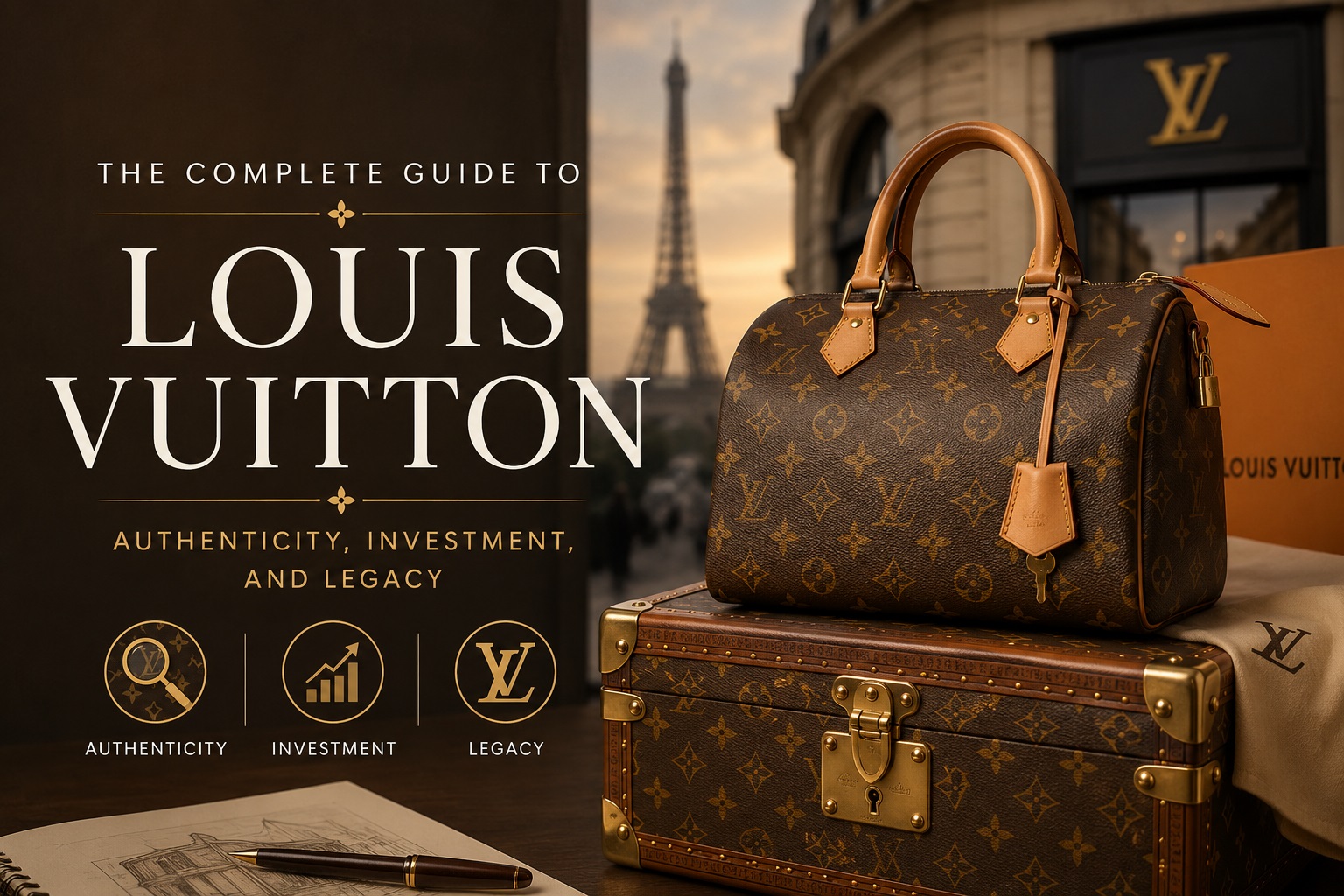
When Monogram canvas bags appear on luxury resale platforms, they often sell faster than new arrivals. This isn’t coincidence—it’s the Louis Vuitton effect. The French fashion house has maintained its position as a cultural icon for over 170 years, but most consumers don’t understand what makes certain pieces investment-worthy or how to verify authenticity. This guide reveals the insider knowledge you need to make informed Louis Vuitton purchases, spot counterfeits, and understand why your bag might appreciate in value.
Understanding Louis Vuitton’s Heritage and Craftsmanship
The Brand Foundation
Louis Vuitton founded his leather-working business in 1854, revolutionizing travel with trunks designed to prevent pilfering. Today, the house operates as a subsidiary of LVMH Moët Hennessy Louis Vuitton, the world’s largest luxury goods conglomerate. What distinguishes Louis Vuitton from competitors isn’t just exclusivity—it’s documented heritage and relentless quality standards.
Key facts about the brand:
- Founded in Paris; manufacturing spans France, Spain, Italy, and Germany
- The iconic Monogram canvas pattern dates to 1896
- Employs over 25,000 artisans globally
- Produces approximately 1,000 new designs annually while maintaining archival pieces
Signature Materials and Collections
Louis Vuitton distinguishes itself through proprietary materials. The Monogram canvas is coated with PVC-infused cotton, making it water-resistant and durable. The Damier pattern, launched in 1888 as the first checkerboard design in luxury fashion, uses ebène (dark brown) and azur (light blue) colorways.
Most collectible material lines:
- Epi Leather—deeply textured leather requiring 40+ manufacturing steps
- Vernis Patent—high-gloss lacquered leather (discontinued in 2018, now increasingly rare)
- Mahina Perforated Leather—introduced in 2008, features cut-out monogram patterns
- Monogram Canvas—the flagship; virtually timeless in appeal
Authenticating Louis Vuitton: What Counterfeits Get Wrong
Common Authentication Checkpoints
Counterfeiters replicate design but miss nuance. Here’s what separates authentic pieces from fakes:
1. Serial Number and Date Code
- Authentic pieces include a date code (leather-stamped or embossed)
- Format: Two letters + four numbers (e.g., CA0183)
- Letters indicate manufacturing location; numbers show month/year
- Fakes use inconsistent fonts or random number sequences
2. Stitching and Hardware
- Authentic Louis Vuitton uses symmetric, even stitching at 1.2mm intervals
- Zipper heads are beveled and stamped with “LV” or “LOUIS VUITTON”
- Counterfeits show uneven stitching, blurry hardware stamps, or flimsy zippers
3. Canvas Alignment
- Monogram canvas must align perfectly on both sides of seams
- Pattern placement around handles and pockets follows strict protocols
4. Material Weight and Texture
- Monogram canvas should feel waxy and structured, not papery
- Genuine Epi leather has a distinctive embossed grain; fakes appear smooth or grainy
- Authentic hardware has substantial weight; fakes use cheap metal alloys
5. Interior Pocket Precision
- Interior zippers on authentic bags feature perfect LV alignment
- Pocket linings match seasonal canvas versions
- Text stamps on leather labels should never be smudged or off-center
Professional Authentication vs. DIY
While these checkpoints help identify obvious fakes, authentication services like Entrupy, Vestiaire Collective, or brand-authorized retailers offer certified verification. For purchases exceeding $2,000, professional authentication costs $10–$30 and provides buyer protection.
Louis Vuitton as an Investment: Which Pieces Appreciate
Pieces That Hold or Gain Value
Not all Louis Vuitton items are investment-worthy. Limited editions, discontinued materials, and iconic silhouettes demonstrate stronger resale performance.
| Item Type | Market Appreciation | Rarity Factor |
| Speedy Damier 25 | 95–110% | Timeless classic |
| Twist Epi Leather | 80–95% | Recently discontinued |
| Vernis Artsy | 120–140% | 2018 discontinuation |
| Limited Edition Collaborations | 150–300% | Brand partnerships |
Investment strategy: Focus on:
- Discontinued patterns (Vernis, Epi colors no longer in production)
- Limited collaborations
- Classic silhouettes with decades of demand (Speedy, Neverfull)
- Condition: Excellent condition commands 10–20% premiums
Expert Insight: Understanding Louis Vuitton’s Strategy
Behind closed doors, luxury brands like Louis Vuitton manage scarcity intentionally. Production numbers, store allocation, and seasonal discontinuation drive perceived exclusivity. Certain bags are manufactured in limited quantities annually, while bestsellers receive consistent production.
The Pochette Métis, for example, was quietly discontinued in 2018 due to “structural updates,” then reintroduced with hardware modifications. The original version now sells at 10–15% premiums on resale markets. This pattern—discontinuation followed by reintroduction with changes—creates artificial investment opportunities for consumers who understand the timing.
Pro Tips for Smart Louis Vuitton Purchases
- Buy seasonal releases strategically. New collections debut every 3–6 months; waiting 6 months often brings markdown opportunities (15–25% reductions) without compromising value retention.
- Verify retailer authorization. Purchase from Louis Vuitton boutiques, authorized department stores (Saks Fifth Avenue, Harrods, Selfridges), or official e-commerce. Unauthorized retailers sometimes sell returned/damaged inventory.
- Understand colorway rarity. Limited colorways (discontinued azur, rare epi shades) outperform neutral tones on resale. A black Epi Speedy appreciates slower than vintage red or fuchsia variants.
- Inspect packaging on new purchases. Authentic retail packaging includes branded dust bags, box construction, and care cards with specific typefaces. Packaging authenticity supports resale value.
- Care extends investment. Use Louis Vuitton’s complimentary leather conditioning service or authorized repair specialists. Repairs by unauthorized parties may reduce resale value by 30–50%.
Common Mistakes to Avoid
Mistake 1: Purchasing from unknown online sellers without buyer protection. Always use platforms with authentication guarantees (Vestiaire Collective, TheOutnet) or pay through services protecting against counterfeits.
Mistake 2: Ignoring storage conditions. Canvas exposed to UV light fades; leather in high humidity develops mold. Store pieces in dust bags away from sunlight.
Mistake 3: Overestimating “limited edition” claims. If thousands were produced, it’s not limited. True limited editions are numbered or restricted to <500 units globally.
Mistake 4: Buying “hype” over function. Trendy designs often depreciate rapidly. Functional classics (Neverfull, Alma, Speedy) outperform statement pieces with niche appeal.
Mistake 5: Neglecting seasonal discounts. End-of-season clearance at authorized retailers offers legitimate 20–30% reductions on slower styles, allowing you to accumulate pieces at better valuations.
FAQ: Louis Vuitton Questions Answered
Q: Is Louis Vuitton worth the investment?
A: Yes, if you purchase classic silhouettes in neutral colorways or discontinued materials. Trendy pieces or limited seasonal items often depreciate. Focus on pieces you’ll use for 10+ years—personal enjoyment matters more than resale value.
Q: How can I tell if my Louis Vuitton was made before or after 2004?
A: Pre-2004 pieces lack date codes. Stamping quality, hardware, and canvas finish differ slightly from modern production. Authorized authentication services can date vintage pieces accurately.
Q: Does Louis Vuitton authenticate items for authentication services?
A: The brand does not authenticate individual pieces for customers. However, authorized repair services may provide manufacture estimates if servicing items.
Q: Why are some Louis Vuitton bags more expensive in certain countries?
A: VAT (Value Added Tax) in Europe, import duties, and currency fluctuations create price discrepancies. Shopping in low-VAT jurisdictions or during favorable exchange rates can yield 15–25% savings.
Q: Are vintage Louis Vuitton bags better than current production?
A: Vintage pieces from the 1990s–2000s often feature superior craftsmanship and unique materials (Vernis, discontinued Epi shades). However, durability isn’t guaranteed. Modern pieces offer consistency and warranty support. Choose based on specific design appeal, not era alone.
Conclusion: Making Informed Luxury Decisions
Louis Vuitton’s 170-year legacy isn’t built on hype—it’s built on consistent craftsmanship, strategic heritage management, and cultural relevance. Understanding authentication basics protects you from counterfeits that waste money. Recognizing which pieces appreciate helps you view luxury purchases as investments rather than expenses.
Before your next purchase, ask three questions: Is the silhouette timeless or trendy? Is the material currently in production, or discontinued? Will I use this bag for a decade? These answers determine whether your Louis Vuitton remains a functional luxury item or becomes a regrettable impulse buy.
The most successful luxury consumers don’t chase collections—they curate carefully. Start with verified retailers, authenticate high-value items, and focus on pieces that align with your lifestyle, not just luxury status. Your future resale value—and daily enjoyment—depends on this mindset.