
Microneedling stands as one of the most requested skin treatments in modern beauty clinics across the UK. Clients choose it to improve texture, reduce fine lines, soften acne scars, and refresh tired complexions. The treatment uses a device with fine sterile needles that create controlled micro-channels in the skin’s surface. These tiny punctures trigger the skin’s natural repair process. Then new collagen forms. Skin appears smoother, firmer, and clearer over time. Results develop gradually through a series of sessions rather than a single one.
How Microneedling Works on the Skin
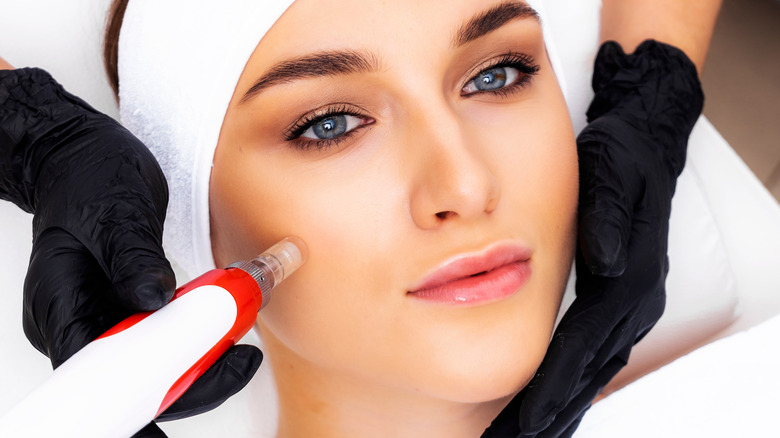
A trained therapist begins with a full skin assessment. They cleanse the face thoroughly. Many clinics apply a numbing cream before treatment to reduce discomfort. The microneedling pen then moves across the skin. Needles penetrate with precise depths based on skin type and treatment area. The process encourages collagen production and improved circulation. Tiny channels allow active serums to absorb more effectively. After that, the skin responds by repairing itself with fresh tissue growth. Most sessions last between 30 and 60 minutes. Some clients feel light pressure or a mild prickling sensation. The skin may appear pink or flushed afterwards. This reaction settles within a few days.
Key Benefits of Microneedling
Microneedling suits many common skin concerns. Clients notice improved skin tone, reduced fine lines, and smoother texture after several sessions. Acne scars soften gradually. Large pores appear smaller. Uneven pigmentation becomes less noticeable. Many clients report a brighter complexion and firmer feel. The treatment works on the face, neck, décolletage, and even hands. Unlike harsh resurfacing procedures, microneedling supports the skin’s natural structure. Downtime remains minimal compared with more aggressive treatments. Most clients return to daily routines quickly while following simple aftercare instructions.
Who May Benefit Most from Microneedling
Adults with mild to moderate skin concerns often see strong results. Those with acne scarring, sun damage, or ageing signs may notice visible improvement over time. Clients who want gradual skin renewal without invasive procedures often choose microneedling. Many people combine it with medical-grade skincare for ongoing maintenance. Individuals with healthy skin and realistic expectations respond well. Consistency matters. Therapists recommend a course of three to six sessions spaced several weeks apart.
Who Should Avoid Microneedling
Not every client suits this treatment. Clients with active acne infections, open wounds, or certain skin conditions should wait until the skin is healed. Pregnant clients may receive alternative treatments instead. Individuals with severe rosacea or recent chemical peels require careful assessment before booking. A qualified practitioner always conducts a detailed consultation and medical review.
What to Expect After Treatment
Post-treatment care remains simple yet important. Skin often feels warm and tight for the first day. Mild redness appears similar to sun exposure. Clients avoid heavy makeup, direct sunlight, and intense exercise for at least 24 to 48 hours. Gentle cleansing and soothing moisturisers help the skin recover comfortably. Within a week, the skin begins to look clearer and smoother. Collagen development continues for several weeks beneath the surface. Results improve gradually after each session. Try to book a maintenance appointment every few months to help preserve progress.
Professional Microneedling vs At-Home Rollers
Many retailers sell home dermarollers. Professional microneedling clinics use medical-grade devices with adjustable needle depth and strict hygiene standards. A trained therapist controls pressure, direction, and technique for consistent results. Home tools cannot match professional precision or safety. Incorrect use may irritate or damage the skin. Clients who want visible and reliable improvement usually choose a certified clinic.
Combining Microneedling with Other Treatments
Clinics often combine microneedling with hyaluronic acid serums, vitamin C treatments, or LED light therapy. These combinations support healing and improve hydration. Some clients schedule microneedling alongside chemical peels or radiofrequency treatments as part of a wider skin plan. Therapists tailor combinations based on individual skin needs and long-term goals.
Choosing the Right Clinic for Microneedling
Look for licensed practitioners with strong training records and visible certifications. Clean treatment rooms and sterile equipment show professionalism. Reviews from local clients provide useful feedback. A high-quality clinic conducts a full consultation, explains treatment steps clearly, and sets realistic expectations. Avoid clinics that promise instant, dramatic results. Proper technique and gradual improvement produce the best outcome.
Final Considerations Before Booking Microneedling
Microneedling suits clients looking for smoother, firmer skin without major downtime. Expect gradual changes rather than an overnight transformation. Plan a treatment course. Follow aftercare carefully. Always choose a reputable clinic with trained therapists and clear safety standards. With regular sessions and proper skincare, microneedling helps maintain healthy, refreshed skin that looks naturally renewed.